Centering Prayer rests on the wager that if you can simply break the tyranny of your ordinary awareness, the rest will begin to unfold itself. –Cynthia Bourgeault
In April, Joe Stabile introduced us to Centering Prayer. I’d practiced it for a time some years ago, and his teaching inspired me to begin again (which was good because it’s our assignment for Cohort #2). As a social Enneagram 2, spending 20 minutes in silence does not come naturally. My morning “quiet time” is usually filled with reading a devotional book, journaling, and spoken prayers. Nothing wrong with all that, but it can lead to the false belief that I’m running the show. Centering prayer is different. It doesn’t require that I speak, think lofty thoughts, or even know what God is doing in my life.
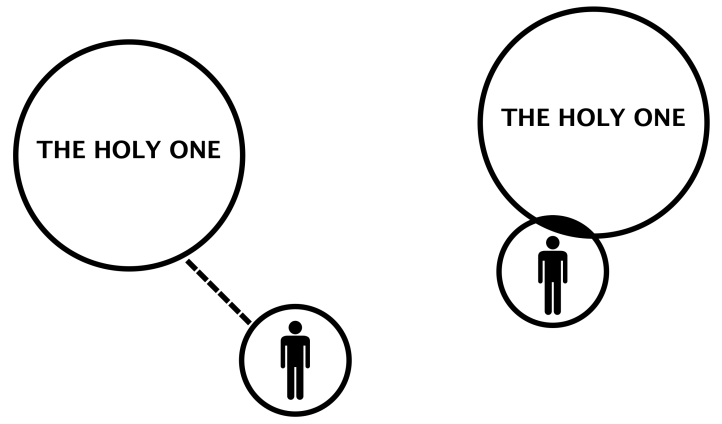
Joe shared this diagram. The picture on the left describes how many of us were raised (and I could relate). The “Holy One” may exist, but we think we have to work our way to connection. The diagram on the right illustrates Centering Prayer, how we are already intimately connected to the Divine. We just need to become aware of it.
What is Centering (aka Contemplative) Prayer? Joe defined it as a “word-less, trusting opening of the self to the Divine Presence”. In it, we are saying, “Here I am. I’m yours.” It is the simplest form of prayer there is, resting on what the Christian mystic St. John of the Cross wrote in the 16th century, “Silence is God’s first language.” As children, we were intimately connected to silence, but our connection to it typically recedes as we age. We spend so much time and energy on worrying and rushing about.
The directions for it are simple.
- Sit down for 20 minutes and silently open to the invisible yet always present Holy One
- Thoughts will come. Just let them go (with a chosen word or simply with a breath).
- Get up.
Thomas Keating (one of the main developers of this practice) described it as a prayer “not of attention, but of intention.” Everything begins and ends with simply doing it, and by setting our intention. The intention, we were told, is six words: “TO BE TOTALLY OPEN TO GOD.” When the intention gets fuzzy, the 20 minutes becomes more like daydreaming. Remembering those six words has been helpful and reorients me often.
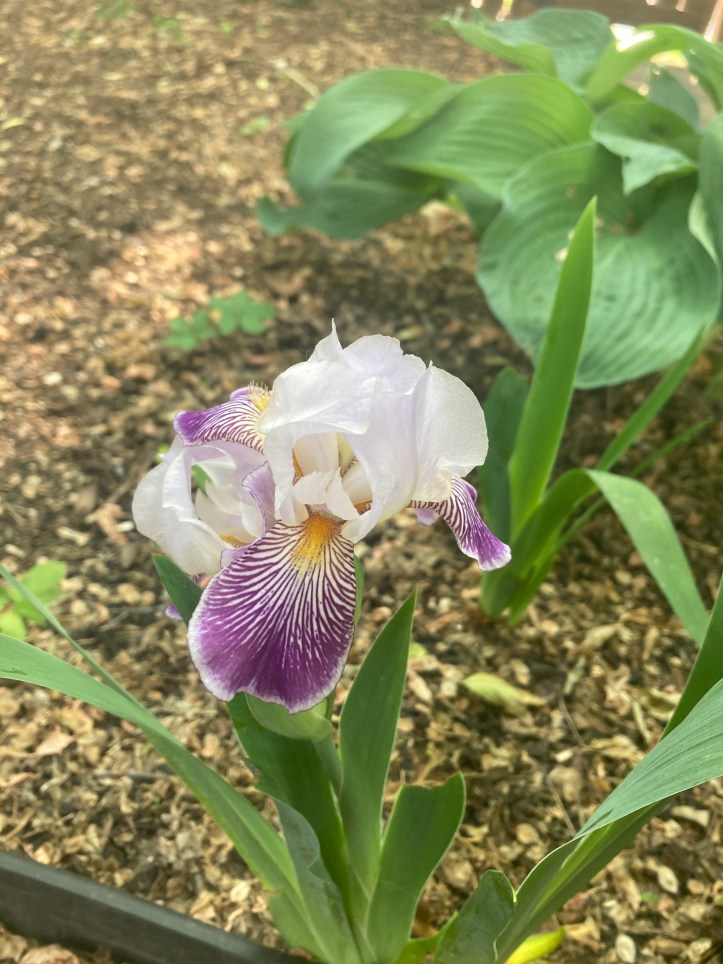
It was also helpful to learn about two kinds of silence. “Free silence” happens to us when we gaze at a flower or a sunset. “Intentional” silence is different. It’s a deliberate effort to restrain the wandering mind. It doesn’t come naturally. It is a discipline. And it almost always feels like work.
“It almost always feels like work.” Once I got back to Winnipeg, I was grateful Joe had given us this advance notice because that’s almost 100% what it usually feels like to me, at least so far. That old monkey mind is real, and it starts up quickly! Our thoughts, said Joe, are filled with interior dialogue, ideas, memories, commentary, emotions, physical stimulations like an itchy nose… I “let them go” and invariably a new one jumps in before I’ve even taken a breath. The goal is not to stop our thoughts but to detach from them by returning to the breath/word ever so gently.
So much more has been written about this ancient practice (Joe taught about it for several hours), and this blog post is to share a wee bit of the teaching and provide a brief “how it’s going” report. The only way to fail at it, we were taught, was to not do it, so I guess that means I’m doing ok! I have felt relief in letting go of the reins. Sometimes the 20 minutes feels like 60 and sometimes it feels like five minutes. No matter what, there’s comfort knowing that God will do something with the time I’m giving in ways I don’t need to know about. It’s been restful just to know that!
As a kid, my dad took me fishing once at Falcon Lake. It felt fun to be doing something different like this, and I had my dad all to myself. Floating in our yellow dinghy boat, it became “catch and release” all day long with all the tiny fish we reeled in. We had nothing to show for our day except smiles.
Centering prayer is like this, Joe said. Thoughts will come. Whatever shows up is fine, but we simply “catch and release” over and over again. All for the goal of developing awarenes that we’re already intimately connected to God. Sounds like a treasure worth hoping for.
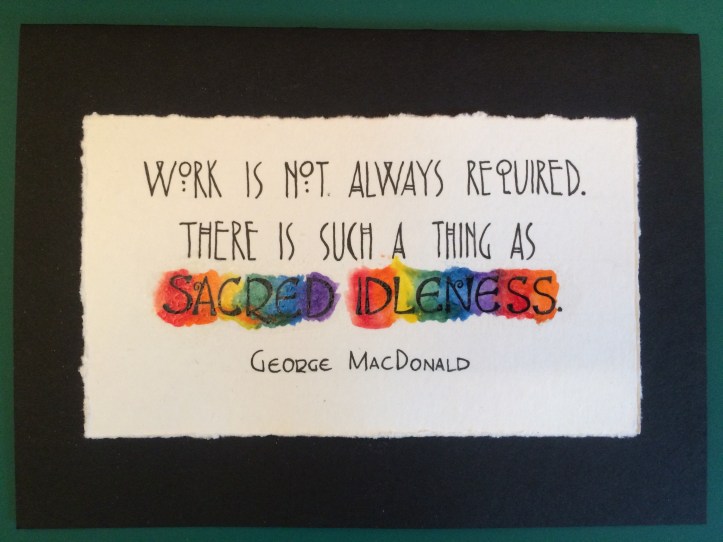
 The Contemplative Blogger
Thanks Lyds. I consider myself a newbie when it comes to Centering Prayer despite the years of practice. Your blog comments and our recent conversations around what you have been learning has been another step deeper for me. So helpful to bring a conscious sense and prayer of intention. That was new to me.
LikeLike