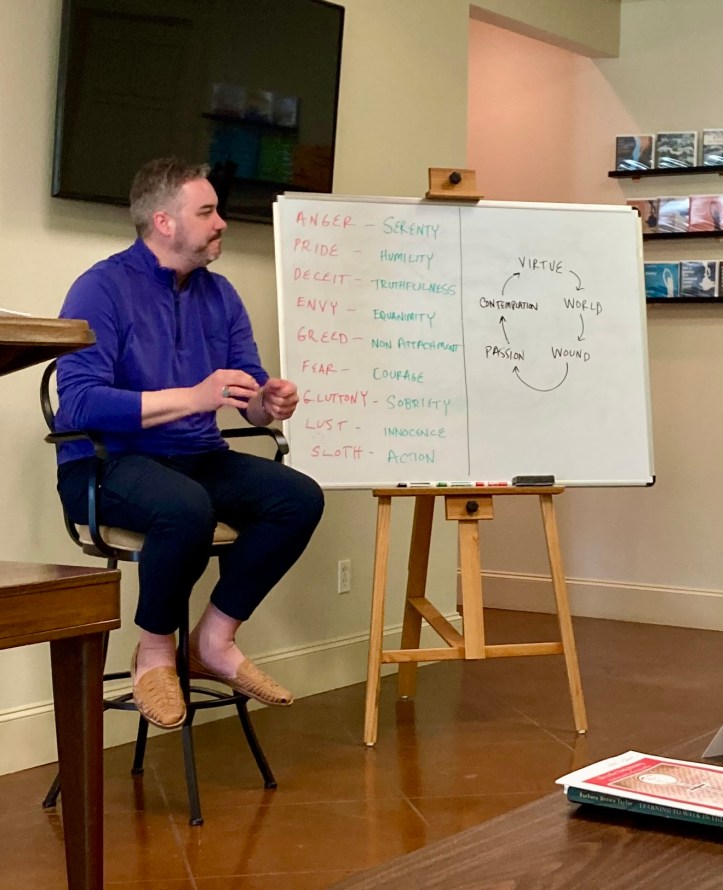
Each time the Contemplative Cohort meets, we receive an Enneagram teaching from Hunter Mobley. As we go through the year, I’m understanding more how well these two components – contemplative prayer and the Enneagram – work in tandem and dovetail together. Each has to do with surrender to God. If only surrender could happen as easily as taking notes! But as we were reminded at the end of our session, “This is wisdom, not information.” No quick results in Enneagram or soul work.
At our April cohort, Hunter began by talking about each number’s passions and virtues. You can’t talk about the one without talking about the other. They’re two sides of the same coin; opposites but also paradoxically connected.
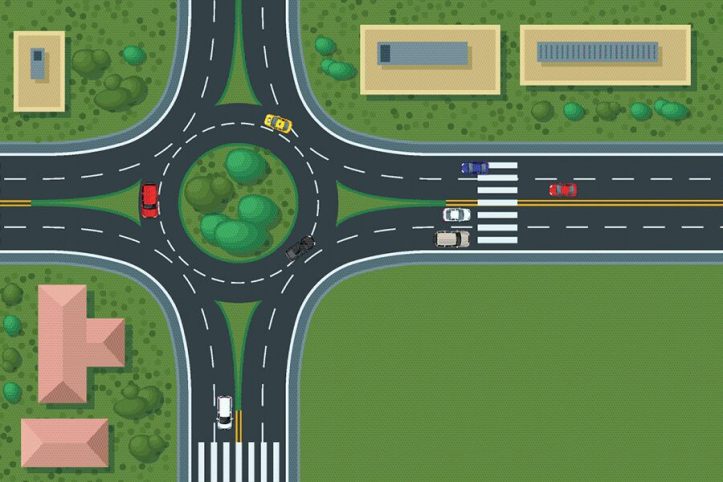
In Enneagram-speak, passions are the traps everyone falls in to; where our false self or ego is. To use a recent metaphor from Suzanne Stabile, it’s like our passions get us stuck on a traffic roundabout and we can’t find the exit. Passions are sometimes referred to as our sin. In fact, the passions are the seven deadly sins, plus two (deceit and fear). We struggle with all of them, but one is especially unique for each of us. The virtues on the other hand are the things of the soul — part of our essence and the true self which originates in God.
Some passion/virtue coins are easy to understand and some are more nuanced. They are:
- Anger & Serenity (1)
- Pride & Humility (2)
- Deceit & Truthfulness (3)
- Envy & Equanimity (4)
- Greed & Non-attachment (5)
- Fear & Courage (6) (Hunter prefers the words Anxiety & Faith.)
- Gluttony & Sobriety (7) (Sobriety can also be defined as moderation and satisfaction.)
- Lust & Innocence (8)
- Sloth & Action (9)
Your virtue, said Hunter, is truer than your passion, but it’s not what usually gets expressed to the world. The things that are hardest for us and frustrating about us to others is not what is truest about us.
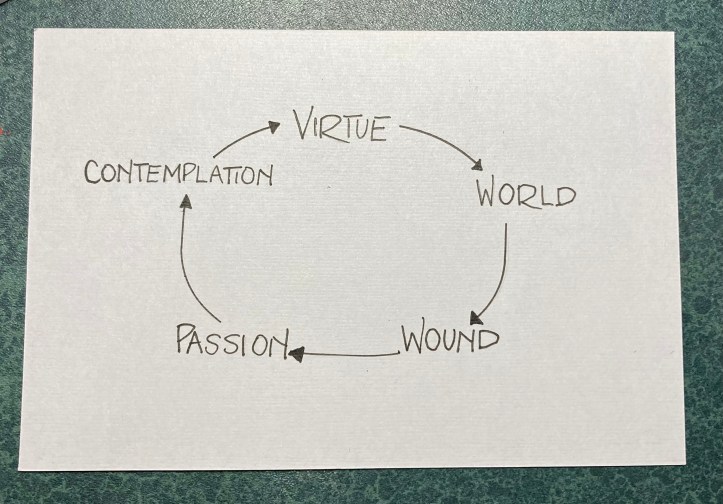
We spent some time on a helpful diagram. Our virtue, said Hunter, is what we come into life with. It represents the deepest, truest parts of ourself; the God image that we bear. But then, the world happens and we all get wounded by the world. Hunter said it happens early. Life experiences, childhood wounds, nature and nurture, all come together to build our personality. Our personality becomes like layers of an onion that begins to protect and hide that beautiful gem of the virtue we were born with. The wound of our childhood gives birth to the passion.
Tracing my life back to its beginnings, I can see how my passion began. I was the youngest in a family with war-affected parents and when I was 7, a family grieving the loss of the oldest daughter to leukemia. To boot, it was the 60s when children were still to be seen but not heard. Outwardly I was a happy kid but also perceived no one was really interested in my feelings and needs. When my oldest sister died, no one talked about it, and many years later my mom talked about how lonely those years felt.
And so I learned to get positive strokes by being helpful and “nice”. To find love and belonging, I learned to be attentive to the feelings and needs of others — always “other-oriented”. It’s not as holy as it sounds, then or now. My survival strategy came at the cost of being truly myself and admitting my own needs. Pride set in, which Suzanne has defined as the “inability or unwillingness to acknowledge one’s own needs and suffering while tending to the needs of someone else.”
Everyone moves from childhood wound to their passion in their own unique way. I’m certainly not alone. The older I get, the more clearly I can see how perniciously this pattern continues to grip me. The subtle ways I become ashamed of my weaknesses and resist being vulnerable with those closest to me as I try to appear good and “above the parade” of life. It leaves me living from the outside in, willing to conform to or please others but radically out of alignment with my inner wisdom and what I feel is true.
I remember being in grade 7 and being utterly confounded by the question, “Who am I?” My friend and I had a pact to “Be Yourself” (B.Y. for short) but once the deal was made, I had no idea how to pull it off! It was the first wakeup call which many years later would set me on the “road back to you” as Suzanne’s book title aptly puts it.
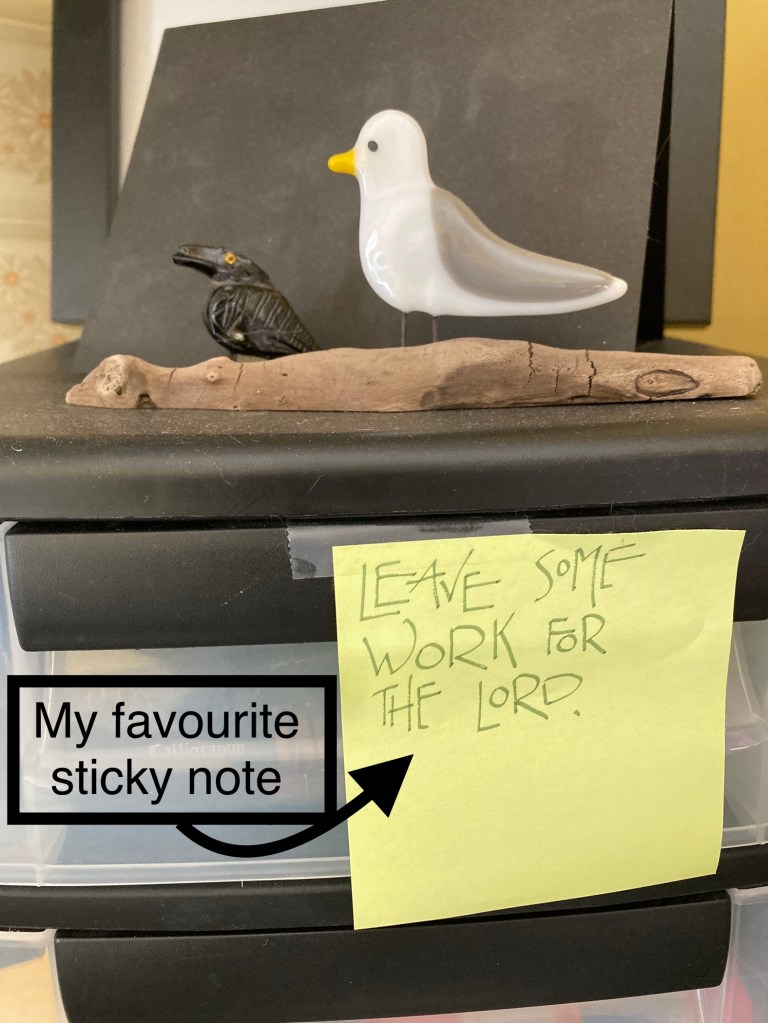
For me, acknowledging that “I don’t need to be helpful and befriend everyone” always feels like an alarming concept at first. But it’s the beginning of the wisdom journey. My friend Cal, who’s also an Enneagram 2, has a motto which I love, “Disappoint one person every day.” I love it because it helps me say no when I need to. Pride says everything is mine to do, but humility urges me to “Leave some work for the Lord.”
As Hunter’s diagram shows, a life of contemplation and connecting back to God our source is the only thing that can take us back to virtue. The love I’m craving when I reach out to others is only found there. It’s there that our spiritual work begins, where we can dismantle and shed the ego and the layers of passion around our gem of virtue. If we enter the door of contemplation, we not only find our own virtue but we enter the room of ALL the virtues. It’s a tricky journey because we can’t will ourselves to virtue (just as an apple can’t ‘will’ itself to ripen, as Thomas Merton once wrote). Hunter said a helpful phrase — it’s like we have to “re-catechize” or re-instruct ourselves.
What exactly does a “life of contemplation” mean? On my first flight to Dallas in January, when people asked where I was headed, the words “contemplative cohort” were often met with a blank stare. To be honest, I stumbled over my words, not knowing how to describe it without sounding like a Jesus freak. Were they imaging I’d be spending hours levitating in silent prayer, divorced from my humanity? I remember trying to translate my purpose to a businessman — “I want a life of meaning and depth.” Again, a polite but blank stare as he turned back to his spreadsheet.
Despite my hesitant words, I still want the life I told the businessman. I have my early wound to thank for pointing me back to my desire for God. Thanks to many gracious gifts (teachers, good friends, youth leaders, the faith community I joined in my early 20s, and even vocational and health difficulties), this journey inward has been the through-line of my life. Hunter reminded us that we’ll always be a beginner on this journey, but that’s infinitely better than being stuck on the roundabout.
 The Contemplative Blogger
Ah, Lydia! What a great refresher. Thank you! ❤️ Thank you for your vulnerability & honesty. We 3s love it!
Looking forward to Dallas with you & the others.
LikeLiked by 1 person
Emma! Thanks so much! It was a good refresher for me too. There’s more Enneagram teaching we received in April, and it seemed harder to write about, but I might still try. Looking forward to seeing you and the others in Dallas too. Not much longer!
LikeLike
Love the image of “getting stuck on the roundabout”. That’s it exactly. It’s like you know you need to find a way out but keep missing the turn off. Strangely it’s the struggle and the desperation that ultimately brings us to a dead end. Opening up that hidden highway of freedom where we’re driven by the deeper passion of Christ who, with profound mercy, invites us into resurrection life. Enjoyed riffing off your thoughts Lyds. Very evocative
LikeLike
Thanks for your well-written piece on your ‘through-line’, a relearning of everything you’ve learned how to cope with life! This year’s enneagram ‘bootcamp’ with Suzanne reemphasized what you say so concisely. That it is in those moments of contemplation (like in that uncanny sense of peacefulness we experienced this morning sitting on our deck) when we can decide to get off that well-worn roundabout and do, feel or think something different that rebalances us.
LikeLike
“better than being infinitely stuck on the roundabout”. AMEN
LikeLike